In performance marketing and lead generation, one hard truth remains constant: not all leads are created equal. Yet too many buyers still pay for leads before knowing whether they’re real, reachable, or even remotely valuable.
The cost adds up quickly: bloated acquisition spend, frustrated sales teams, and wasted effort on leads that were never going to convert.
The good news is that lead buyers no longer have to accept this as the cost of doing business. With the right pre-purchase filtering and identity data intelligence, it’s possible to stop low-quality leads before they ever enter your buying flow, which dramatically lowers lead spend while improving downstream performance.
The Real Cost of Low-Quality Leads
Low-quality leads come in many forms:
- Fake or mistyped phone numbers
- Disconnected or VoIP-only lines
- Duplicate submissions
- Leads with mismatched or fabricated identity data
- Bot-driven or incentivized traffic
While each bad lead may only cost a few dollars, the cumulative impact is massive. Low-quality leads drive up:
- Chargebacks and refunds
- Vendor disputes and trust erosion
- Cost per acquisition (CPA)
- Sales team labor costs
Even worse, low-quality leads pollute reporting, making it harder to identify which sources, campaigns, or partners are actually performing. Filtering leads after purchase helps, but by then, the damage is already done.
Why Filtering After You Buy Is Too Late
Many buyers rely on downstream validation: calling leads, running CRM checks, or analyzing conversion rates days or weeks later. While useful, this approach has limitations:
- You’ve already paid for the lead.
- Sales reps waste time dialing bad numbers.
- Poor leads skew optimization decisions.
- Refund cycles slow cash flow.
Buyers need signals earlier. That’s where pre-purchase lead filtering comes in.
Pre-Purchase Filtering: A Smarter Way to Buy Leads
Pre-purchase filtering allows buyers to evaluate lead quality in real time before accepting or paying for the lead. Instead of reacting to the bad leads, buyers can proactively block them.
Modern lead distribution platforms likeboberdoo make this possible by allowing buyers to apply rules, logic, and integrations at the point of delivery. When combined with identity data like Trestleprovides, these platforms become powerful quality gates.
Key benefits include:
- Lower lead costs
- Higher contact rates
- Cleaner pipelines
- Better vendor accountability
But the effectiveness of pre-purchase filtering depends on one thing: the quality of the data powering it.
Why Identity Data Is the Missing Layer
Most lead filters rely on surface-level checks including: required fields, formatting rules, or basic deduplication. While helpful, these checks don’t answer the most important question:
Is this a real person I can reach and convert?
That’s where identity data comes into play. By validating and enriching leads with authoritative phone and identity intelligence, buyers can determine:
- Whether a phone number is real and active
- Whether it’s mobile, landline, fixed VoIP, non-fixed VoIP, etc.
- Whether a name is actually associated with that number
This deeper verification allows buyers to reject low-quality leads before they enter the buying flow – all without slowing down delivery.
Filtering Low-Quality Leads in Real Time with boberdoo + Trestle
boberdoo’s real-time lead distribution engine gives buyers the control they need to route, accept, or reject leads instantly. When paired with Trestle’s identity data APIs,
buyers gain an added layer of confidence at the moment of decision.
Here’s how it works in practice:
1. Phone Validation Before Purchase
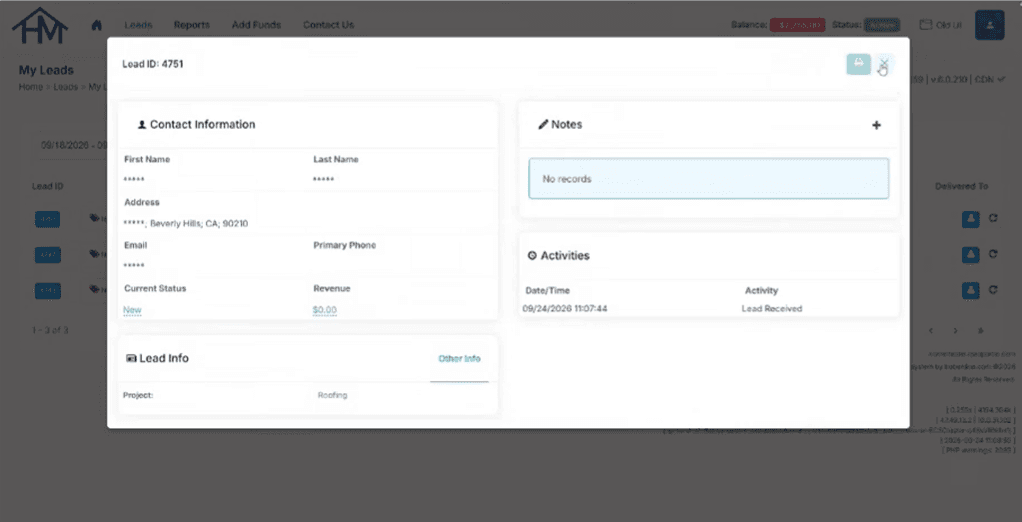
As leads enter boberdoo, phone numbers can be checked in real time to confirm they are valid, reachable, and appropriate for your use case.
2. Phone Type Intelligence
Buyers can filter out leads based on line types that historically underperform - such as non-fixed VoIP, prepaid, or landline – all before paying for them.
3. Phone-to-Name Verification
By confirming whether a submitted name is actually associated with a phone number, buyers can identify fabricated or mismatched leads instantly.
4. Confidence-Based Decisioning
Rather than a simple pass/fail, buyers can use confidence scores to determine whether a lead meets their quality threshold, allowing for flexible, data-driven rules.
By utilizing boberdoo’s Outside Services to integrate Trestle and custom logic, you can combine their identity confidence scores with your own internal data points to create multi-layered quality gates that automatically determine the exact value and routing of every lead in real-time.
5. Automated Rejection or Rerouting
Low-quality leads can be rejected, rerouted to lower-cost buyers, or flagged for review without disrupting lead flow. This means buyers only pay for leads that meet their quality standards.
The Impact on Lead Spend and Performance
When low-quality leads are filtered out before purchase, the benefits compound quickly:
- Lower effective cost per lead (CPL) by eliminating wasted spend
- Higher contact and conversion rates for sales teams
- Improved buyer confidence in lead sources
- Cleaner reporting and optimization across campaigns
- Stronger marketplace trust between buyers and sellers
Instead of negotiating refunds after the fact, buyers and sellers align on quality upfront and create healthier, more scalable lead ecosystems.
Better Filtering Doesn’t Mean Lower Volume
A common concern among buyers is that stricter filters will reduce lead volume. In reality, the opposite often happens.
When buyers trust their filters, they’re more willing to:
- Increase budgets
- Accept higher volumes
- Expand into new sources
- Pay more for proven quality
Pre-purchase filtering enables confident scaling. And truthfully, even if it did mean lower volumes, there’s no reason to purchase leads that will never be able to convert because the data is outdated or wrong.
The Future of Lead Buying Is Proactive
As lead markets become more competitive and margins tighten, reactive quality control will no longer be enough. The most successful buyers will be those who:
- Validate leads before purchase.
- Use identity intelligence to inform decisions.
- Automate quality enforcement at scale.
- Focus sales efforts only on real, reachable consumers.
Trestle provides deep identity intelligence, boberdoo provides the decisioning engine and logic required to act on that data in real-time. Together, they allow buyers to automate complex quality gates that combine third-party validation with internal business rules.
Final Thoughts
By filtering out low-quality leads before they’re purchased, buyers protect budgets, empower sales teams, and create more sustainable growth. With real-time lead distribution and identity-driven filtering, low-quality leads no longer have to be an unavoidable expense.
Filtering out low-quality leads before they’re purchased protects budgets, reduces wasted sales effort, and creates a foundation for sustainable growth. When buyers have quality signals at the point of decision, low-quality leads stop being an avoidable cost of doing business. They become a problem you simply don’t have anymore.