Welcome back to boberdoo Lab, our monthly look at the latest tools, integrations and experiments we’re working on to make your lead generation business smarter, faster and more secure. This month, the main focus is on data integrity.
Every vendor swears their leads are exclusive. Every partner promises they’re playing by the rules. But in 2026, "trust but verify" is how you keep your business from tanking. That’s why we’ve been innovating with Assumed, to create a new Chrome Extension for vetting in record time! It’s used to your partners honest, and it fits perfectly into your boberdoo workflow.
The Assumed Chrome Extension
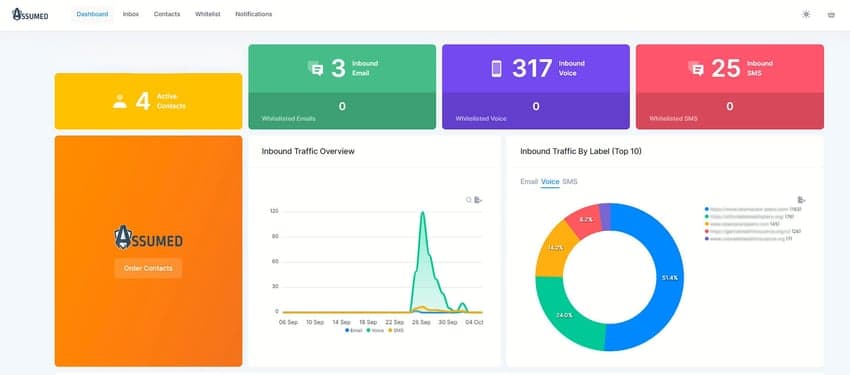
If you aren't familiar, Assumed uses "seed contacts", which are decoy contacts that look, act and are tracked like real consumers to show you exactly what happens to your data after it leaves your hands.
While data seeding used to be a tedious chore of copying and pasting fake info, the Assumed Chrome Extension turns it into a one-click operation. Here are two ways boberdoo clients can leverage this extension right now to protect their margins.
1. The "Quick Check" via Manual Entry
We’ve all been there: a specific partner is suddenly asking for an unusual amount of refunds, or you suspect a buyer is mishandling your data. Typically, testing this involves creating a fake persona and manually entering it into your system.
The Assumed way:
- Navigate to your Manual Entry Form inside boberdoo.
- Pop open the Assumed Chrome Extension.
- Select a seed contact and click Auto-Fill Page.
How it works: The extension does the heavy lifting, instantly populating the address, email, phone number and custom fields in about half a second.
From there, just tag the lead with a label for the specific partner you’re testing, hit submit and let boberdoo route it. Now, you can sit back and monitor your Assumed inbox to see exactly who contacts that seed.
2. Playing "Secret Shopper" with Your Vendors
If you’re buying leads from a third-party vendor who promises they aren’t multi-selling to your competitors, it's time to see for yourself.
- Head over to your vendor’s public landing page.
- Use the Assumed extension to auto-fill their front-facing form with one of your tracking seeds.
- Submit the form as if you're a standard retail consumer.
If that "exclusive" seed gets bombarded by three different competing companies ten minutes later, you’ve got the exact receipts you need to confront your vendor.
Bonus Innovation: The Deception Detection Engine
Beyond the extension, the Assumed ecosystem includes a feature we've been testing called the Deception Detection Engine.
Instead of manually auditing every new vendor site, you paste the vendor’s URL into Assumed, and it calculates a proprietary trust score based on three critical vectors:
- Domain Age: Is this a legitimate brand or a fly-by-night site spun up last Tuesday?
- Dark Patterns: Are they using sneaky UI tricks to manipulate users into consenting to things they shouldn't?
- TCPA Compliance: Are they actually collecting clean, legal consent?
If a site comes back with a "Reject" score, you can block or pause that vendor in boberdoo before their bad traffic ruins your buyer relationships.
Why This Matters
At the end of the day, your data is your currency. If your partners are multi-selling or mishandling it, your lead quality drops, your buyers get mad, and your reputation takes the hit.
Integrating the Assumed Chrome Extension into your daily operations turns you from a passive observer into a proactive gatekeeper. It’s fast, it’s seamless, and it keeps everyone on their best behavior.
Stay tuned for next month's issue of boberdoo Labs, where we'll break down more tools to optimize your distribution.