Keeping your pipeline is full of good leads is essential for maintaining a healthy lead generation business. Nothing frustrates a lead buyer more than paying for bad leads. This not only drains a company’s time and budget, but it can also negatively affect a buyer’s perception of your data's value.
So, how can you tell the difference between good leads and bad leads in today's complex digital landscape?

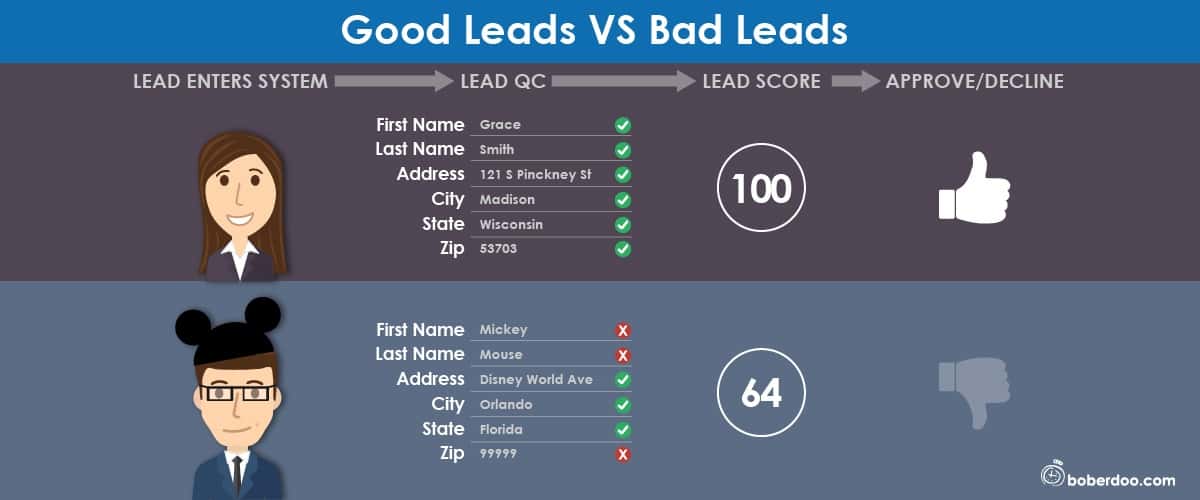
In the past, filtering out bad leads was as simple as catching basic human typos, clearly bogus names (like "Mickey Mouse"), or profanity in a form field. But in 2026, the game has changed. Sophisticated AI synthetic leads, coordinated bot farms, and advanced proxy networks are increasingly targeting lead generation. Generating and selling good leads now requires a modern, multi-layered approach to fraud detection.
Modern Lead Fraud Signals You Must Track
To protect your buyers and your reputation, data validation must go well beyond what the human eye can easily spot. Today’s lead scoring must analyze complex behavioral and technical signals:
- Device Fingerprinting & Proxy Detection: Fraudsters use VPNs and residential proxies to mask their true locations. Modern tracking checks for IP mismatches, hidden proxies, and irregular device fingerprints to ensure the lead is a real user in the target geography.
- Bot Submission Patterns: AI and bot farms can fill out forms at superhuman speeds. By tracking time to complete, mouse movements, and submission velocity, you can flag synthetic leads that lack human behavioral patterns.
- VOIP Phone Identification: A high percentage of fraudulent leads use non-fixed VOIP numbers (like Google Voice or Skype) rather than real, top-tier carrier numbers. Identifying and filtering these out is critical to verifying a good lead.
- Disposable Email Domains: Bot networks frequently use catch-all domains, temporary inboxes, or recently registered domains to bypass basic email validation.
- Litigator List Scrubbing: A "bad lead" isn't just a fake lead; it can also be a dangerous one. Scrubbing numbers against known TCPA Litigator Lists ensures you aren't passing massive legal liabilities on to your buyers.
Good Leads vs. Bad Leads: The 2026 Checklist
1. Origin & Device
- Good Lead: Clean IP address matching the user's stated zip code and a valid, recognized device fingerprint.
- Bad Lead: Traffic originating from a data center IP, known proxy/VPN usage, or mismatched geographic locations.
2. Submission Behavior
- Good Lead: Natural typing speeds, realistic time-on-page, and actual mouse movements.
- Bad Lead: Instantaneous form fills, captures in hidden fields (honeypots), and zero mouse movement indicative of bot farms.
3. Email Validity
- Good Lead: Established domains (like Gmail, Outlook, or legitimate corporate domains) with a strong deliverability score.
- Bad Lead: Disposable or temporary email domains, syntax errors, or domain registration ages under 30 days.
4. Phone Line Type
- Good Lead: Major wireless carriers or fixed landlines.
- Bad Lead: Non-fixed VOIP numbers (like Google Voice or Skype) or disconnected lines.
5. Compliance & Risk
- Good Lead: Active opt-in, clear Jornaya or TrustedForm certificate, and a clean compliance record.
- Bad Lead: Phone numbers that match against known TCPA Litigator Lists or known serial plaintiffs.
LeadQC: Automating the Hunt for Good Leads
To maintain your reputation as a quality lead seller, you need safeguards to keep bad leads with invalid or synthetic data from ever reaching your buyer’s CRM. This is where an automated lead scoring process comes in handy.
boberdoo's proprietary lead scoring system, leadQC, automates weeding out bad leads from good ones. With leadQC, leads are scored in real time against a series of advanced databases, including VOIP checks, disposable email checks, and litigator scrubs. The system holds all potentially bad leads in your boberdoo system for manual review. If a lead passes your determined threshold score, it is considered a good lead and delivered to your buyers instantly.
When using lead scoring software, flexibility is key. If your Google Ads leads are always high quality or if you've been buying good leads from a trusted vendor for years, you probably don't need to strictly score every incoming lead. However, when you're testing new marketing methods or buying from a new, unverified vendor, distinguishing good leads from AI-generated bad leads becomes vital.
boberdoo has been building software for the lead generation industry since 2001. Many of our clients use our leadQC technology to navigate the 2026 fraud landscape and ensure they sell only the best data. We would be happy to talk with you about leadQC and the custom thresholds you can set.
We would be happy to talk with you about leadQC and the custom thresholds you can set. Give us a call at 800-776-5646 or fill out the form below.